
Well Women Care
Have Good “Summer Sense”
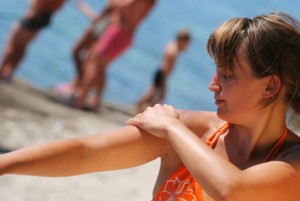
It’s summer once again and everyone is eager for time outdoors. Enjoying time in the sun is great as long as you take some precautions. The sun’s rays can cause skin cancer, and too much exertion in the heat can lead to heat-related illnesses. A few precautions can keep you and your family healthy and safe all summer long.
Skin Smarts
Sun Protection Is Key
* Wear a hat!
* When at the beach, opt to relax under an umbrella rather than laying directly in the sun.
* Wear dark glasses to protect your eyes.
* Remember, the sun is strongest from 10 a.m. to 2 p.m., so try to minimize exposure during these times.
* If you are out during the heat of the day, wear a coverup.
* Eating oily fish or taking an Omega 3 supplement daily may help boost your skin’s immunity to sunlight, according to a British medical study. BUT, it does not replace the need for traditional sun protection.
Sunscreens
* Apply sunscreen 30 minutes before you are actually exposed to the sun so it is fully absorbed into the skin.
* Be sure to use enough sunscreen-it takes 1 ounce to cover an entire adult body.
* Remember to apply it everywhere-people often forget the back of the neck, ears, behind the knees, and feet-all prime areas for sunburn.
* Your lips need protection too-look for a lip balm with SPF 15 or higher.
* Reapply sunscreen after swimming-there are no truly waterproof products.
* Look for “broad spectrum” which means the sunscreen protects you against both UVA and UVB rays. For the most reliable products, look for the Seal of Recommendation from the Skin Cancer Foundation on the packaging.
* Sunscreen does lose its potency over time, so it is best to buy new each year.
* The sun is out-even on cloudy days-so still wear your sunscreen!
* The sun penetrates windows; wear sunscreen if you work near a window, or even while driving to work.
Keep Your Cool
* Drink lots of fluids and be sure to limit coffee and tea as these tend to cause dehydration. Soft drinks and “juice” drinks provide few cooling benefits. Water remains the ideal choice.
* If you are active, whether playing sports or mowing the lawn, be sure to drink extra water to compensate for the fluids lost to exertion. Wear a hat if possible, and try to alternate time in the sun with time in the shade. On days of extreme heat and humidity, it’s best to limit exertion.
* In general, it’s best to avoid exertion during the hottest hours of the day.
* Running cool water over your wrists and applying a cool cloth to your neck and temples can help you cool down if you feel overheated.
* Obtain an air conditioner for your bedroom; if you are home all the time, you might also want to look into a unit for the room where you spend the most time. Portable units that can easily be moved from room to room might also be a good choice.
* Keep your house as cool at night as possible by drawing shades during the hottest part of the day, then opening them at night to let cool air flow through the house. Some folks close their windows during the day, sealing in the cooler morning air, then open the windows during the evening.
* During the cooler evening hours, be sure to open the windows that allow the most air flow.
* Know the signs of heat stroke and heat exhaustion: With heat exhaustion, a person has cool, moist skin, heavy sweating, rapid pulse, may feel faint or dizzy, have nausea or muscle cramps, and fatigue. In this case, move the person to a cool, shady place. Have them lie down and elevate their feet. Sponge their skin with water and give them water to drink. Fan them and monitor their recovery. If they do not improve, call 911.
With heat stroke, which is more serious, call 911 right away. Heat stroke presents as hot, red, dry skin, rapid pulse, shallow breathing, throbbing headache, nausea, muscle cramps and fainting. While waiting for help, move the person to a cool shady place, sponge them with water and fan them, place ice packs at their neck, groin, and armpits-this can help cool the body’s core temperature. 911 can have a nurse or physician on the line to provide additional first aid tips until help arrives.
* Especially keep an eye on children and the elderly in the heat. Children often don’t know enough to rest when the temperatures climb, and may not drink as many fluids as they should without reminders The elderly also dehydrate more quickly and can forget to keep up their fluid intake. It’s wise to make sure that the elderly have adequate means to cool their homes during the heat of the day.
For more information about Partners for Women’s Health, call (603) 778-0557.
Obstetrical Tips
Gestational Diabetes: What You Should Know

Gestational diabetes, or diabetes during pregnancy, occurs only during a woman’s pregnancy, then disappears once the pregnancy is over. Women who experience gestational diabetes have never had diabetes before, but once you have gestational diabetes, there are certain precautions you should take.
Women who have had gestational diabetes have a two in three chance that the diabetes will return in future pregnancies. Women who have had gestational diabetes are more than seven times as likely to develop Type 2 diabetes as women who did not have diabetes during pregnancy.
If you also have other health conditions, such as being overweight, high blood pressure, high cholesterol, high blood glucose, or you are a smoker, then the odds of you developing Type 2 diabetes are even higher.
If you had gestational diabetes, you can reduce your risk for developing Type 2 diabetes by taking the following steps:
* Lose Weight: If you are more than 20 percent over your ideal body weight, losing even a few pounds can make a difference.
* Make healthy food choices: Shoot for lean meats, whole grains, fruits and vegetables. Limit fat to 30 percent or less of your daily calories and watch your portion size.
* Be active: Exercise is key to preventing Type 2 diabetes and it will also help you maintain a healthy weight, sleep better, cope with the stress of a new baby, and feel better overall.
* Breastfeed: If you can, breastfeed your baby. It provides health benefits to you and your child, will aid in your losing pregnancy weight, and creates a nice bonding experience with your baby.
* Talk to your doctor: Be sure that all of your health care providers know of your history of having gestational diabetes so they can advise you on other preventative steps.
* Get tested: If you have had gestational diabetes, you should be tested for diabetes six to 12 weeks after you give birth, and at least every three years after that.
For more information about Partners for Women’s Health, call (603) 778-0557.